
- All
- Product Name
- Product Keyword
- Product Model
- Product Summary
- Product Description
- Multi Field Search
Views: 9 Author: Site Editor Publish Time: 2026-04-25 Origin: Site
When you pull a water system out of a well or a tank, you might look at the long, cylindrical metal tube and wonder how it all works. Many people refer to the entire unit simply as a "pump." However, this equipment actually consists of two distinct components bolted together: the pump end and the motor end.
Understanding the difference between these two parts is essential for proper maintenance, troubleshooting, and replacement. If your system stops moving water, you need to know exactly which part failed.
In this guide, we will break down the fundamental differences between a submersible pump and a motor. We will look closely at their designs, primary functions, and specific applications to help you manage your water systems more effectively.
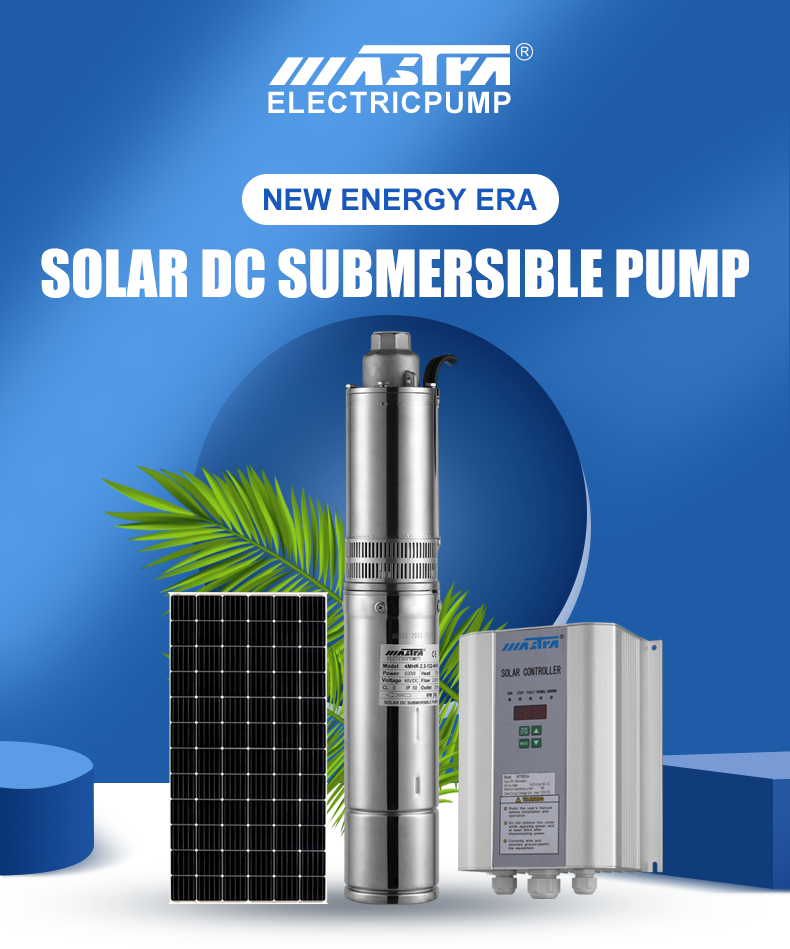

A standard submersible unit operates entirely underwater. To achieve this safely and efficiently, manufacturers divide the machine into two halves. The bottom half usually provides the power, while the top half does the physical work of moving the fluid.
You connect these two halves using a specialized coupling. This modular design allows technicians to replace a failed part without having to discard the entire unit. For example, if an electrical surge ruins the driving component, you can simply unbolt the damaged submersible motor and attach a new one to your existing fluid-moving hardware.
The motor acts as the beating heart of your water system. Its sole purpose is to convert electrical energy into mechanical energy.
Manufacturers build motors to be heavy and dense. They contain tightly wound copper coils, stators, and rotors. Because water and electricity do not mix well, the casing is hermetically sealed. You will often find these motors filled with a specialized cooling fluid or dielectric oil to prevent the internal components from overheating during continuous operation.
The motor sits at the very bottom of the assembly. It features an electrical cable connection that runs all the way up to your power source at the surface. When electricity flows into the motor, it spins a central shaft. This spinning shaft protrudes slightly from the top of the casing, ready to connect to the pump section above it.


While the motor provides the raw rotational power, the pump translates that power into fluid movement. People often refer to this section as the "wet end" because water actively flows through its internal chambers.
Unlike the tightly sealed electrical base, the pump section features an open intake area, usually protected by a metal screen. Inside its casing, you will find a series of stacked impellers and diffusers. These impellers resemble small fans or propellers made of durable plastics or stainless steel. The housing itself feels lighter than the electrical base because it contains more empty space for water to occupy.
When you bolt the pump onto the motor, the spinning shaft connects directly to the impellers. As the shaft turns, the impellers spin rapidly. This creates centrifugal force, pulling water through the intake screen and pushing it aggressively up the discharge pipe toward the surface.
If you have a unit resting on a workbench, you can easily tell the two components apart by looking for a few visual clues.
First, locate the electrical cable. The thick power wire always attaches directly to the motor casing. You will not find electrical connections on the wet end.
Second, look for the water intake. The area with a mesh screen or slotted holes indicates the bottom of the pump section. Water enters here before traveling upward.
Finally, check the weight distribution. The electrical drive half feels significantly heavier and denser due to the internal copper windings. If you need to replace the electrical drive section, you will want to match the specifications of your specific submersible pump motor to ensure it provides enough horsepower to spin the impellers correctly.
To make identification even easier, we have compiled a quick reference table. Use this guide to understand the distinct attributes of each component at a glance.
Feature | Submersible Pump (Wet End) | Submersible Motor (Drive End) |
Primary Purpose | Moves water using centrifugal force. | Converts electricity into mechanical rotation. |
Internal Parts | Impellers, diffusers, and a drive shaft. | Copper windings, rotor, stator, and bearings. |
Physical Weight | Relatively light; contains open spaces for fluid. | Very heavy; densely packed with metal and cooling fluid. |
Visual Indicators | Intake screens and a top discharge port. | Electrical cable connections and a completely sealed body. |
Maintenance Needs | Clearing clogs, replacing worn impellers or check valves. | Checking electrical resistance, ensuring seals hold cooling fluid. |
Understanding these differences helps immensely when diagnosing system failures. A complete submersible unit serves a wide variety of applications, from agricultural irrigation and municipal water supply to residential wells and solar-powered setups.
When a system fails to deliver water, listen closely and test your electrical panel. If the system draws the correct amperage and you hear a humming sound, the electrical drive is likely working. The problem probably lies in the wet end. Sand or debris might have jammed the impellers, or a shaft might have snapped.
Conversely, if the system trips your electrical breaker immediately, you likely have a shorted electrical coil. In this scenario, the mechanical impellers are probably fine, but the drive end requires replacement.
Matching components correctly ensures a long lifespan for your equipment. A high-capacity wet end requires a strong, durable submersible water pump motor to handle the heavy torque load. Mismatching these parts can lead to burned-out electrical coils or inadequate water pressure.
Distinguishing between a submersible pump and its motor gives you a distinct advantage. You can communicate more clearly with technicians, order the correct replacement parts, and troubleshoot failures effectively.
Remember, the heavy, sealed bottom section supplies the electrical power, while the top section houses the impellers that physically lift the water. Working together, they provide reliable access to deep water sources.
If you want to upgrade your current well system or need to replace a failing component, quality matters. Visit us at Pump Manufacture to explore our extensive range of high-performance water movement solutions tailored to your specific needs.