
- All
- Product Name
- Product Keyword
- Product Model
- Product Summary
- Product Description
- Multi Field Search
Views: 3 Author: Site Editor Publish Time: 2026-10-23 Origin: Site
Access to clean, reliable water depends on equipment that can handle pressure, depth, and daily wear without failing. For properties that rely on boreholes rather than municipal supply, a dependable deep well pump is the difference between a steady water supply and constant repair bills. These systems draw water from far below the surface, often hundreds of feet down, and push it upward against gravity and friction loss. Getting that job done well requires more than a generic motor bolted to a pipe.
Manufacturers like MASTRA have spent decades refining pump design for exactly this kind of demanding work. Founded on more than 33 years of manufacturing experience, MASTRA produces pumps used across more than 80 countries, supplying wholesalers, government infrastructure projects, and individual property owners alike. This article breaks down what makes a deep well pump effective, compares common pump types, and explains why material choice and submersible design matter so much for long-term performance.
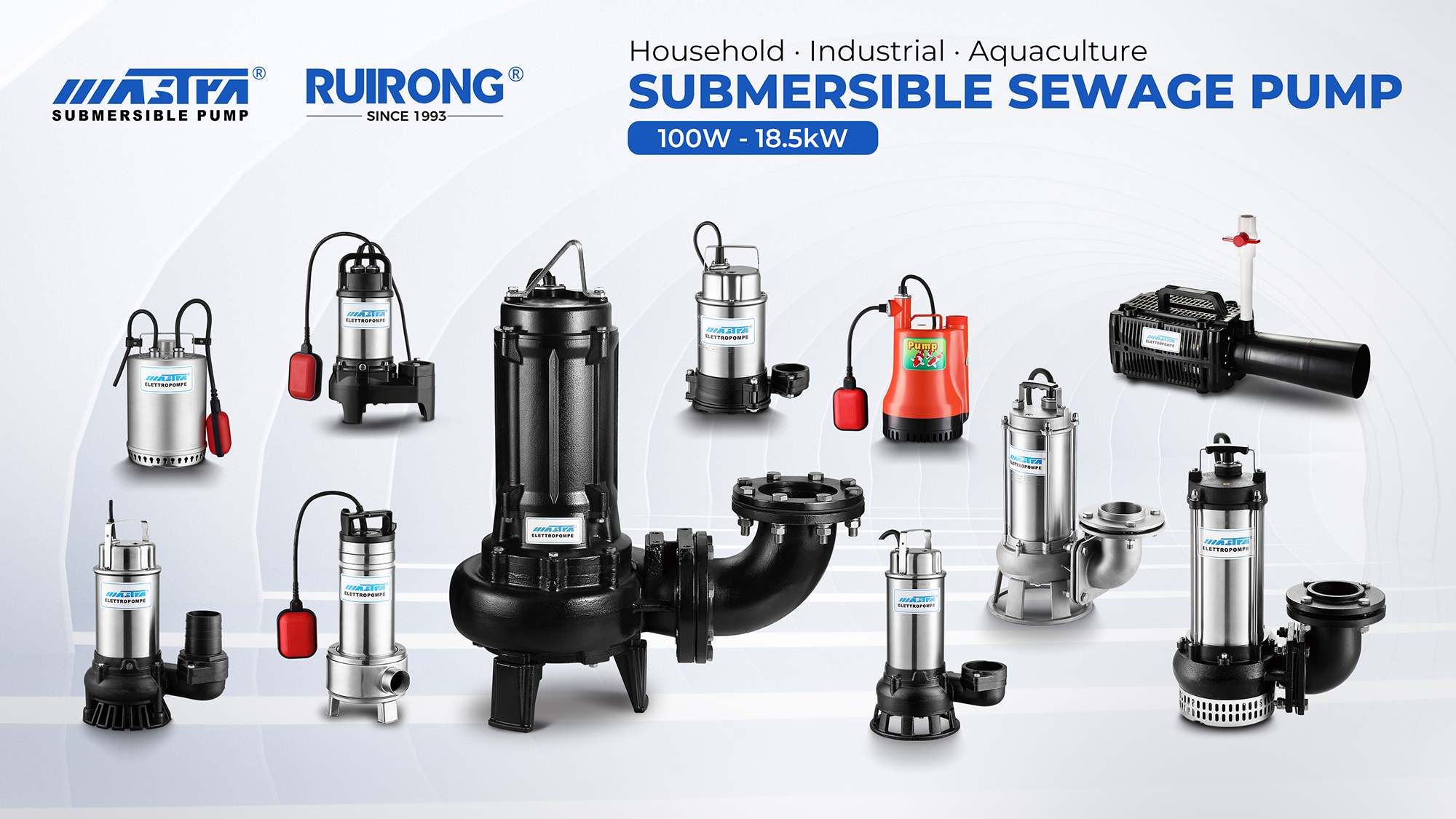
A deep well pump sits either inside the well casing or at the surface, drawing water from depths that surface pumps simply cannot reach efficiently. Most residential and agricultural wells range from 100 to 400 feet deep, and at those depths, suction-based surface pumps lose too much efficiency to be practical. Instead, these systems use multistage impellers to build pressure gradually, pushing water upward in stages rather than relying on a single pull.
This staged design is why well pumps often look different from the pumps used in pools or irrigation ponds. Each stage adds incremental pressure, which compounds as water moves through the pump body. The result is a steady, pressurized flow that can supply an entire household, barn, or small farm without losing pressure at the tap.
Not every pump is built for the same job. The table below outlines how common pump types differ in design, depth capability, and typical use case.
Pump Type | Typical Installation Depth | Common Material | Best Suited For |
|---|---|---|---|
Surface Centrifugal Pump | Up to 25 feet | Cast iron or plastic | Shallow wells, irrigation |
Submersible Borehole Pump | 100–400+ feet | Stainless steel or composite | Residential and agricultural wells |
Solar DC Submersible System | 100–300 feet | Stainless steel | Off-grid or remote locations |
Multistage Jet Pump | Up to 100 feet | Stainless steel or brass | Medium-depth wells with booster needs |
As the table shows, depth is the deciding factor in most pump selections. Once a well exceeds roughly 25 feet, a submersible design becomes necessary simply because surface pumps cannot generate enough suction to lift water that far.
Groundwater is rarely pure. It carries dissolved minerals, sediment, and sometimes corrosive compounds depending on the local geology. Over years of continuous operation, these elements wear down cheaper metals, leading to leaks, reduced flow, and eventual pump failure.
This is where a Stainless Steel Pump earns its higher price tag. Stainless steel resists corrosion far better than cast iron or standard alloys, which matters enormously for equipment that stays submerged in mineral-rich water around the clock. MASTRA's full stainless steel construction extends service life and reduces the maintenance headaches that come with pumps built from lower-grade materials. For well owners in regions with hard or acidic groundwater, the material spec is not a luxury feature. It is the primary factor determining whether a pump lasts five years or fifteen.
Beyond corrosion resistance, stainless steel also handles temperature fluctuations better than many plastics and composites, which can warp or crack under sustained pressure deep underground.
Submersible pumps work by pushing water from below rather than pulling it from above. Since the motor and impeller assembly sit directly in the water, the pump never has to fight against air pockets or priming issues the way surface pumps do. This design alone reduces energy waste and mechanical strain.
A submersible water pump also runs quieter than surface alternatives, since the water itself muffles vibration and motor noise. For residential properties, this matters more than it might seem. Nobody wants a mechanical hum coming from their yard every time the tap runs.
MASTRA's submersible impeller systems are engineered specifically to handle variable flow conditions, which makes them a practical option for both steady residential use and the fluctuating demand patterns common in agricultural irrigation. Pairing these pumps with solar DC power systems has also become increasingly common, particularly for remote properties without reliable grid access.
Selecting a pump isn't just about matching horsepower to well depth. A few additional factors determine whether a system performs well over time:
Flow rate requirements: A single-family home typically needs 8–12 gallons per minute, while agricultural operations often require significantly more.
Water chemistry: Wells with high mineral content benefit from corrosion-resistant materials like stainless steel.
Power availability: Off-grid properties should consider solar-compatible DC systems rather than standard AC-powered pumps.
Well casing diameter: Submersible pumps must fit within the casing, so measuring before purchase prevents costly mismatches.
Choose a stainless steel submersible model if your well sits in an area with hard or mineral-heavy groundwater, since the added corrosion resistance will pay for itself over the pump's lifetime. For shallower wells with milder water conditions, a standard multistage jet pump may be sufficient and more cost-effective.
MASTRA operates from a 60,000-square-meter manufacturing facility and has earned recognition as a National High-Tech Enterprise and a Guangdong Innovative Enterprise. The company's product lineup spans sewage pumps, multistage pumps, and solar-powered submersible systems, all built around the same principle: durability should not be an afterthought.
Rather than treating stainless steel construction as a premium upsell, MASTRA applies it across its deep well and solar pump lines as a baseline standard. This approach reflects decades of field feedback from wholesalers and government projects operating in demanding environments, from arid regions needing solar-powered irrigation to coastal areas where corrosion resistance is non-negotiable.
Choosing the right well pump comes down to understanding your specific depth, flow needs, and water conditions, then matching that profile to equipment built with the right materials and design. A submersible system constructed from stainless steel offers the corrosion resistance and quiet, efficient operation that most well owners need for long-term reliability.
Before making a purchase, measure your well's depth and casing diameter, test your water for mineral content, and consider whether solar power compatibility fits your property's setup. Equipment built around these specifics, rather than generic one-size-fits-all specs, will serve you far longer with far fewer repairs.