- All
- Product Name
- Product Keyword
- Product Model
- Product Summary
- Product Description
- Multi Field Search
Views: 3 Author: Site Editor Publish Time: 2026-11-19 Origin: Site
A submersible pump works by housing a sealed, waterproof motor directly inside the liquid it moves. Rather than pulling water up from a dry location, the motor spins an impeller that pushes water through a discharge pipe to the surface. This submerged design makes the pump quieter, more efficient, and less prone to cavitation than above-ground alternatives.
If you've ever wondered why your basement sump pit, well, or sewage system relies on a pump that sits fully submerged in liquid, the answer comes down to physics. Most surface pumps have to "suck" water upward, fighting gravity and air pressure the entire way. A submersible pump flips that process on its head. Because the motor already sits inside the water, it only has to push liquid upward through a pipe, which uses less energy and reduces the risk of the motor losing prime.
This design shows up everywhere, from residential sump pits to large agricultural irrigation systems to municipal sewage treatment plants. Understanding how the internal components work together can help you choose the right pump for your property, your farm, or your facility, and avoid costly breakdowns down the line.
While designs vary by application, most residential and commercial units share a similar anatomy. The table below breaks down the core components and their function.
Component | Function |
|---|---|
Sealed motor | Converts electrical energy into mechanical rotation while staying protected from water intrusion |
Impeller | Spins to create pressure that pushes liquid toward the discharge outlet |
Mechanical seal | Prevents water from leaking into the motor housing during operation |
Float switch | Automatically turns the pump on or off based on water level |
Discharge pipe | Carries pumped liquid away from the source to its final destination |
Volute casing | Directs the flow of water around the impeller to maximize pressure output |
A well-built submersible water pump depends on how tightly these parts are engineered together. Weak seals or low-grade impellers are the most common reasons pumps fail prematurely, especially in sewage or wastewater settings where solids and debris pass through the system daily.
Not every pumping job calls for the same volume of water movement. Residential sump pumps are designed to clear a few hundred gallons per hour from a basement pit, while agricultural, industrial, and municipal projects often require pumps capable of moving thousands of gallons per minute. This is where a large flow submersible pump becomes essential.
These higher-capacity units use wider impellers, more powerful motors, and reinforced casings to handle continuous operation under heavy loads. For example, pumps built with overheating protection devices and double mechanical seals, like the large flow submersible pump models engineered for continuous sewage transfer, are rated to run for thousands of hours without failure. Choose a large flow model if your application involves moving water across long distances, draining large flooded areas quickly, or supporting irrigation across several acres. For smaller residential needs, a standard-capacity unit is usually sufficient and more cost-effective.
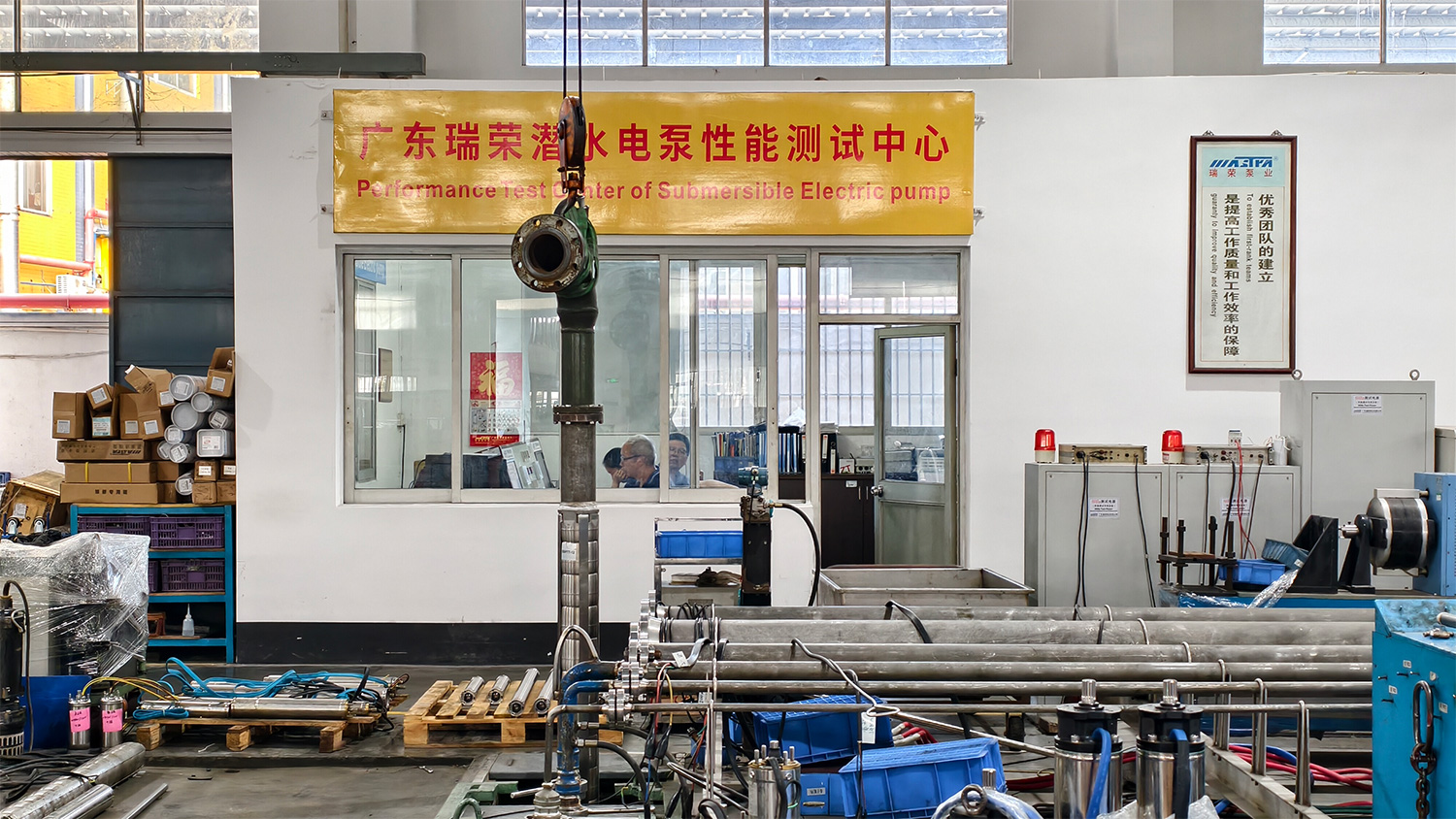
Guangdong Ruirong Pump Industry Co., Ltd., the company behind the MASTRA pump brand, has spent more than 33 years manufacturing sewage, multistage, and solar pumping equipment from a 60,000-square-meter production facility. MASTRA has earned recognition as a National High-Tech Enterprise and a Guangdong Innovative Enterprise, and its equipment is currently used across more than 80 export markets, including government infrastructure projects.
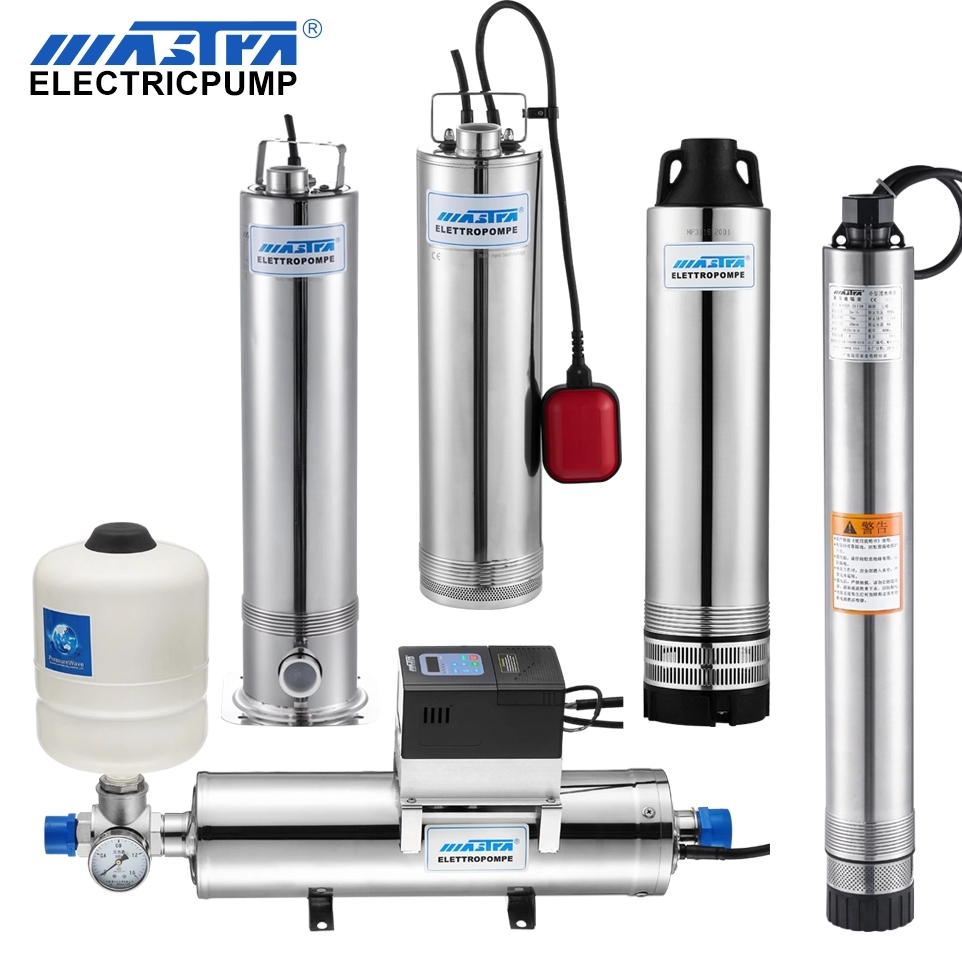
MASTRA's sewage pump line uses Italian double mechanical seals designed to support continuous operation for more than 8,000 hours, along with motors equipped with overheating protection to reduce the risk of damage during extended use. The company also produces submersible water pump systems built for solar-powered applications, which are increasingly popular for off-grid irrigation and remote water supply projects where consistent flow rate matters as much as energy efficiency.
For buyers comparing manufacturers, the combination of long operational life, overheating protection, and a track record across dozens of countries makes MASTRA a practical option for both residential distributors and large-scale infrastructure buyers.
Before buying a submersible pump, measure how much water your system actually needs to move and how often it will run. A pump that's undersized will burn out quickly under constant strain, while an oversized unit wastes energy and adds unnecessary upfront cost. Matching motor power, impeller size, and seal quality to your specific application is the single best way to extend the life of your equipment and avoid emergency replacements.
How much does a submersible pump typically cost?
Pricing varies widely based on flow rate, motor power, and build materials, ranging from under $100 for small residential sump units to several thousand dollars for industrial-grade sewage or agricultural models.
How long does a submersible pump last?
With proper seals and overheating protection, well-built units can run continuously for 8,000 hours or more before requiring major maintenance, though lifespan depends heavily on usage conditions and water quality.
What are the risks of using an undersized pump?
An undersized pump will run constantly under strain, which shortens motor life, increases energy costs, and raises the likelihood of overheating or seal failure.
Are there alternatives to submersible pumps?
Surface-mounted or jet pumps are available alternatives, though they require priming and are generally less efficient for continuously submerged applications like sump pits or wells.
Who should consider a large flow submersible pump?
Large flow models suit agricultural operations, municipal wastewater systems, and industrial sites that need to move high volumes of water continuously, rather than homeowners managing occasional basement flooding.